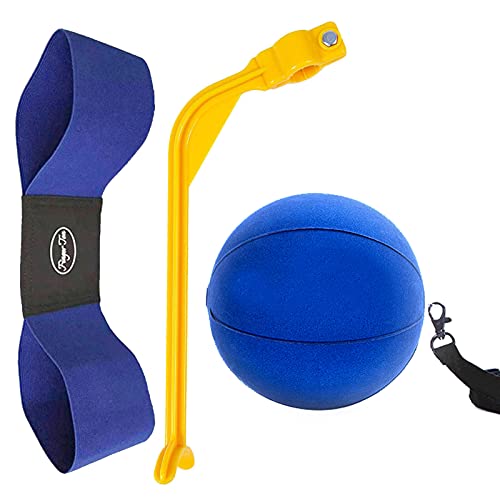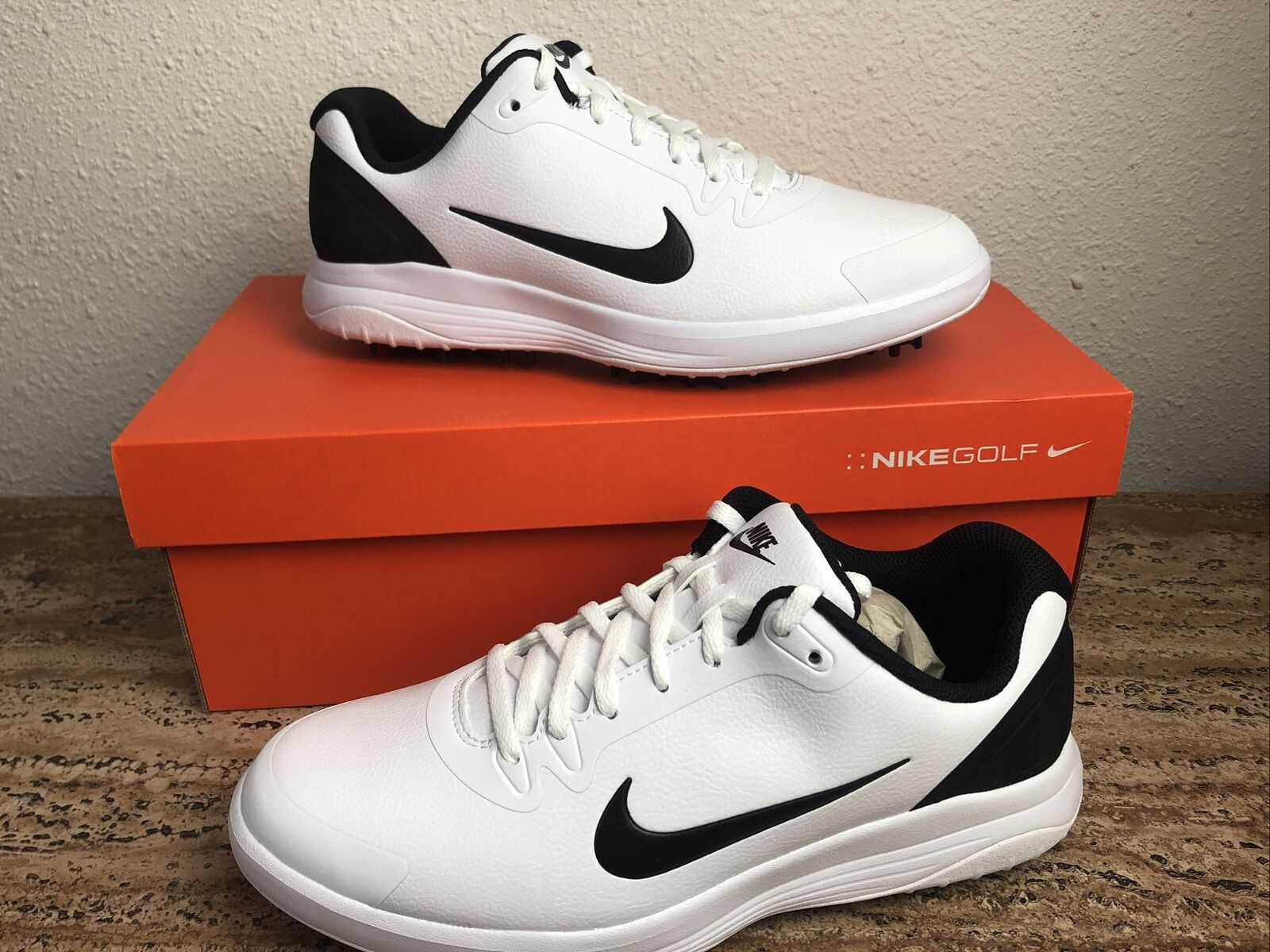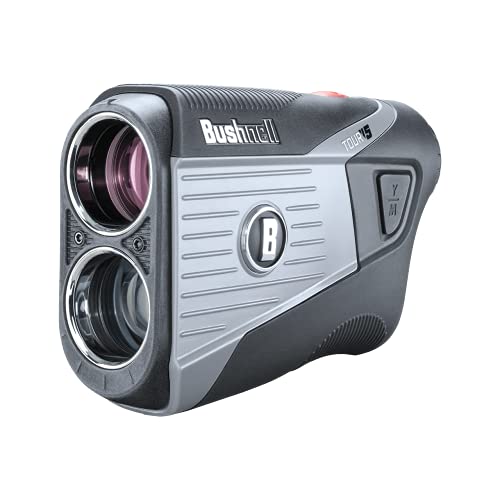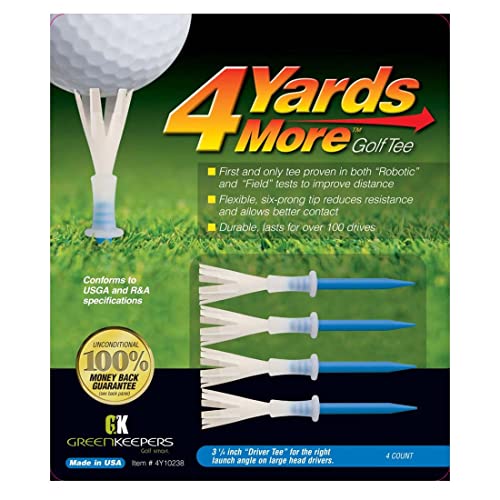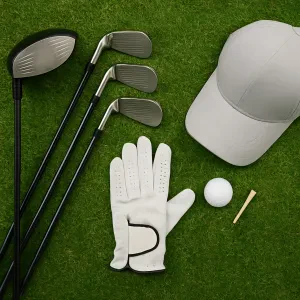
Getting your first set of golf clubs can feel overwhelming, but it doesn't have to be! It's all about understanding your needs and what makes sense for you. Start by thinking about how often you plan to play and what kind of courses you'll be hitting. Are you playing on a local pitch and putt or are you ready to take on a full 18-hole course? This helps you narrow down your options.
Next, consider your skill level. If you're just starting out, you'll want clubs that are forgiving. Look for ones that have a larger sweet spot, which helps you get a better shot even if you don’t hit the ball perfectly. Many beginners find that a set labeled as "game improvement" fits the bill quite nicely. They’re designed specifically to help you play your best!
Don't forget about comfort. Make sure the clubs feel good in your hands. A proper grip matters! It lets you swing confidently, which can make a huge difference in how you play. You wouldn’t want to struggle with equipment that doesn't suit your style.
Finally, think about your budget. Quality doesn’t always mean breaking the bank. There are plenty of affordable options out there that give you great value without compromising performance. Whether you go for new or used clubs, the key is to find what feels right for you and fits your playing style.
Choosing the Right Club Type
Choosing the right type of golf club can feel overwhelming, especially for beginners. You want clubs that help you improve your game without adding unnecessary confusion. Let’s break it down into some easy categories so you can find what's best for you.
First up, we have drivers. These are the clubs you’ll use off the tee box. They’re designed for distance, so if you want to hit the ball far down the fairway, a good driver is essential. Look for one that feels comfortable in your hands and has a larger clubhead to help with forgiveness on off-center hits.
Next, consider irons. These clubs are for shorter approach shots and are numbered based on their loft. A higher number means a higher loft, which helps the ball get up in the air. Beginners usually start with a set that includes 5-9 irons. Look for cavity back designs, as they’re more forgiving and easier to use.
Don’t forget about wedges. These clubs help you make those tricky shots around the green. If you struggle with chipping or bunker shots, investing in a good wedge can really help you lower your scores. A sand wedge is a must-have for getting out of tough spots.
Lastly, putters are just as important. You’ll use this club on the greens for those crucial last strokes to sink the ball. Find a putter that feels right for you—test out a few in the store to see what suits your style. Your putter can help you make or break your game!
Budgeting for Your First Set
Getting into golf is exciting, but figuring out how much to spend on your first set of clubs can be a bit tricky. You want to be smart about it without breaking the bank. A good starting point is to set a budget that balances quality and affordability.
When you think about your budget, consider how often you’ll be playing. If you're planning to hit the greens regularly, investing a little more in a solid set makes sense. A range of $300 to $600 is a fair starting point for beginners. This range typically offers a decent mix of quality and value.
Keep an eye out for packaged sets. They often include all the essentials like a driver, irons, a putter, and sometimes even a bag—all at a lower total cost. This way, you’ll have everything you need without overwhelming your wallet.
Also, don’t forget to explore second-hand clubs or local sales. You can find quality gear without the hefty price tag. Just make sure to check the condition of the gear beforehand. It’s a great way to step into the sport without overspending.
Lastly, remember that it’s not about having the fanciest clubs; it’s about getting the right fit for you. Take your time to try different sets and see what feels comfortable. Enjoy the process, and you'll find something you'll love to use on the course!
Trying Before You Buy
Many golf stores have indoor simulators or demo days where you can hit clubs before taking the plunge. Give these a shot! Feeling how a club performs in real-time can help you decide what works best for you. You’ll pick up on things like weight, balance, and grip, which are super important.
Don’t hesitate to ask the staff for help. They usually know their stuff and can recommend clubs based on your height, swing speed, and skill level. Plus, testing them out with someone who knows what they're talking about can save you from making a costly mistake.
If you can, get some feedback while you’re swinging. Bringing along a friend who plays can offer a different perspective. They might notice things you miss. And if you're unsure about your skills, consider taking a lesson. Getting a few tips from a pro can really help you understand what type of clubs suit your game.
So, don’t rush. Take your time to find the perfect set. You want something that feels good, works well, and helps you enjoy every moment on the course!